Your Cart (0)
Your cart is empty
Free express shipping

Drawer menu
Free express shipping

Luxury clients expect more than fleeting trends. Designers across Europe know that a truly refined interior demands materials with authentic character and enduring presence. Natural stone offers both exceptional durability and sustainability, making it essential in contemporary high-end projects. Its geological history and unique surface variations transform spaces with bespoke artistry, while its tactile richness and timeless beauty set the stage for interiors that tell a story and last for generations.
| Point | Details |
|---|---|
| Natural Stone Authenticity | Natural stone decor offers authenticity and uniqueness, providing bespoke interiors that cannot be replicated. |
| Craftsmanship Importance | The emphasis on craftsmanship transforms stone pieces into unique objects that enhance the luxury aesthetic of interiors. |
| Sustainability Factor | Natural stone is a sustainable choice, as it has a lower carbon footprint compared to synthetic alternatives and often lasts a lifetime. |
| Maintenance Awareness | Understanding maintenance needs and best practices for different stone types is essential for client satisfaction and longevity of the materials. |
Natural stone decor occupies a unique space in contemporary interior design, blending ancient material traditions with modern aesthetic sensibilities. What sets it apart from other decorative materials is its combination of authenticity and versatility. Unlike manufactured alternatives, genuine stone carries geological history within its structure, meaning no two pieces are identical. For European luxury designers working with discerning clients, this uniqueness translates into genuinely bespoke interiors that cannot be replicated.
The modern definition of natural stone decor centers on several defining characteristics. Natural stone’s recognized durability and sustainability in design make it increasingly essential for high-end residential projects. Today’s natural stone pieces serve multiple functions simultaneously. A marble table lamp isn’t just functional lighting; it becomes a sculptural centerpiece. A travertine vanity tray isn’t merely organizational; it transforms the bathroom into a spa-like retreat. This convergence of form and function reflects how contemporary luxury design has evolved beyond purely decorative elements toward integrated design solutions.
What truly defines natural stone decor in today’s market is the emphasis on craftsmanship and storytelling. Your clients aren’t purchasing materials; they’re investing in pieces that tell a story about their space. Each surface texture, color variation, and veining pattern creates a narrative that connects interior spaces to the natural world. The shift toward artisanal stone products reflects a broader movement away from mass production toward curated collections. Designers now select specific stone pieces based on how they will interact with light throughout the day, how their tactile surfaces will invite touch, and how their presence will influence spatial perception.
The sustainability angle has also reshaped how natural stone is perceived in luxury interiors. Stone products support long-term design investments because their durability means they rarely require replacement. This aligns perfectly with contemporary European design philosophy that values longevity over trends. When you specify genuine marble or travertine pieces, you’re offering clients materials that will outlast fast furniture and maintain their aesthetic appeal for decades. The variety in surface finishes, from honed to polished, allows designers to create sophisticated tonal layering that synthetic materials simply cannot achieve.
Pro tip: When selecting natural stone pieces for a project, source products with varied geological origins to create subtle textural contrasts that prevent the space from feeling monotonous, while ensuring all pieces come from ethical suppliers with transparent sourcing practices.
Choosing the right natural stone for a luxury interior project requires understanding how different stone types behave. Each variety brings distinct aesthetic qualities and practical performance characteristics to a space. The selection you make fundamentally shapes how your client’s interior will age, perform, and feel for decades to come. This isn’t simply about color matching or budget constraints; it’s about understanding the material’s inherent properties and how those align with the project’s demands.
Marble stands as the quintessential luxury stone, prized for its luminous veining and refined appearance. It’s softer than granite, which makes it susceptible to etching from acidic substances and scratching from daily wear, but this vulnerability is precisely what attracts discerning clients who value patina and character. Marble works beautifully in low-traffic areas like bathroom vanities or as sculptural accent pieces. Travertine offers a different appeal altogether. With its warm, earthy tones and naturally porous surface, travertine creates a subtle luxury that feels grounded and organic. The stone’s distinctive pitting and linear patterns create visual interest without the bold drama of marble. Travertine’s durability makes it suitable for bathroom applications and decorative accents where clients want warmth without high maintenance concerns.
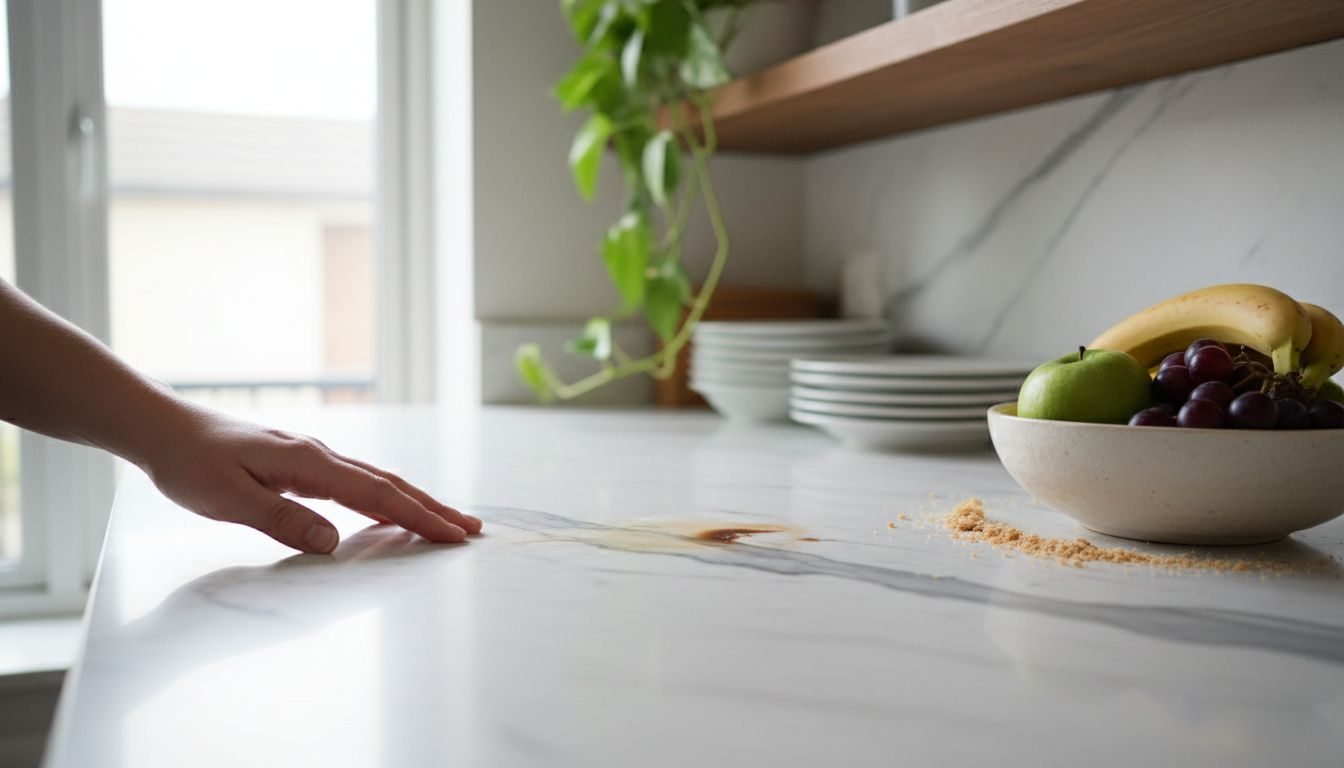
Natural stone varieties extend far beyond these two options, each with distinct mineral compositions and performance profiles. Granite offers exceptional hardness and resistance to scratching, making it ideal for high-traffic areas and practical applications. Quartzite provides similar durability with marble-like aesthetics. Slate delivers dramatic visual character with natural splitting properties perfect for textured wall applications. Limestone and sandstone bring softer, more porous qualities that work exceptionally well in Mediterranean or contemporary designs. Onyx creates extraordinary light-transmitting effects when used strategically, particularly in lamp bases or feature walls where backlighting amplifies its translucency. The choice between these materials depends on understanding porosity levels, hardness ratings, and how each stone responds to light, touch, and environmental conditions in the specific space.
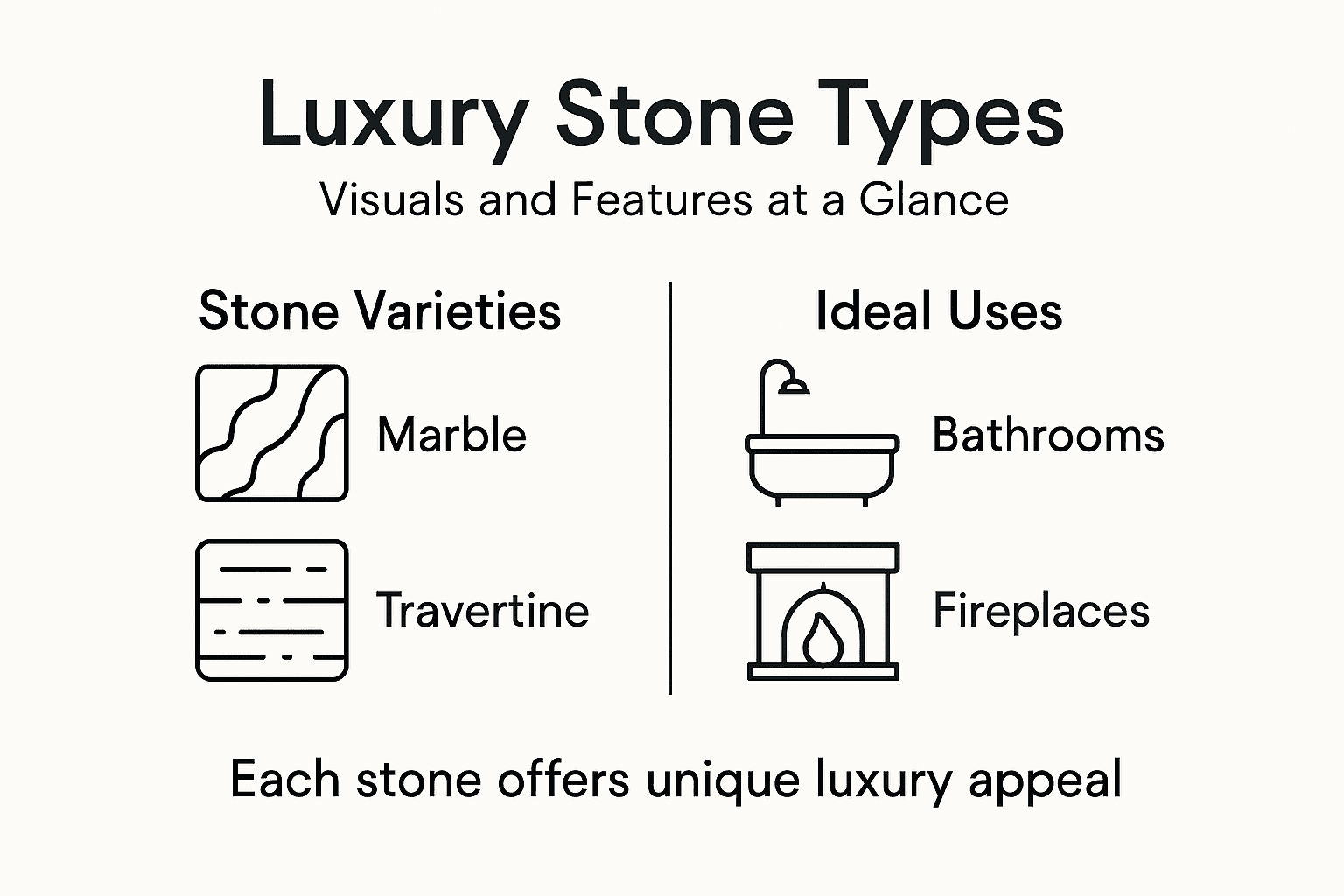
Here’s a side-by-side comparison of prominent natural stone types in luxury design:
| Stone Type | Visual Qualities | Ideal Applications | Durability Notes |
|---|---|---|---|
| Marble | Luminous veining, refined | Bathrooms, accent pieces | Soft, etches from acids |
| Travertine | Warm tones, earthy texture | Trays, spa-like areas | Porous, needs sealing |
| Granite | Uniform grain, hard | Countertops, high-traffic | Extremely hard, resists scratches |
| Quartzite | Marble-like patterns | Kitchen surfaces, walls | Durable, low porosity |
| Slate | Dramatic split texture | Feature walls, flooring | Layers easily, slip-resistant |
| Limestone | Soft colors, subtle grain | Mediterranean designs | Softer, absorbs moisture |
| Onyx | Semi-translucent, vibrant | Lamp bases, feature walls | Fragile, decorative use |
What separates successful natural stone specifications from mediocre ones is knowing which stone belongs in which application. A designer might select marble for a guest powder room where its luxury aesthetic matters more than durability, but specify travertine for a client’s daily-use master bathroom where longevity and lower maintenance justify the aesthetic compromise. Understanding these nuances transforms you from someone who specifies stone to someone who crafts lasting interiors. The stone itself is merely the medium; your knowledge of its performance characteristics is what creates the magic.
Pro tip: Always request stone samples in the actual lighting conditions of your client’s space before finalizing specifications, since color, vein patterns, and surface reflectivity shift dramatically under different light temperatures throughout the day and across seasons.
What separates a memorable luxury interior from a forgettable one often comes down to craftsmanship. When you specify natural stone pieces, you’re not just selecting materials; you’re choosing to honor centuries of artisanal tradition combined with contemporary design sensibilities. The hand-finished surfaces, precisely cut edges, and thoughtfully designed forms transform raw stone into objects that clients genuinely want to live with. This marriage of traditional skill and modern aesthetics is what defines luxury natural stone decor in today’s market.
The craftsmanship visible in stone decor pieces tells a story that mass-produced alternatives simply cannot replicate. Artisanal stone carving and traditional techniques preserve cultural heritage while simultaneously enhancing durability and aesthetic value. When a craftsperson hand-carves a marble accent ornament or carefully hones a travertine tray, each piece becomes unique. The subtle variations in finish, the organic quality of the surfaces, and the thoughtful proportions reflect human decision-making rather than algorithmic production. For European designers working with affluent clients, this distinction matters enormously. Your clients can feel the difference between a stone piece that was crafted and one that was manufactured. A marble lamp base that has been polished to perfection reflects light differently than a standardized replica. A travertine catchall tray with hand-finished edges invites touch in ways that smooth, uniform surfaces never will.
Stone’s timeless qualities of strength, sustainability, and beauty allow natural stone decor to transcend temporary design trends. Unlike furnishings that look dated within five years, a beautifully crafted marble table will look sophisticated in 2025 and equally sophisticated in 2045. This permanence appeals deeply to luxury clients seeking lasting value. The design features that matter most are those that acknowledge the stone’s natural character rather than fight against it. Designers who embrace veining patterns, surface variations, and the stone’s inherent color palette create interiors with integrity. Those who try to homogenize or over-process the material end up with something that lacks the authenticity clients are paying premium prices to obtain.
Contemporary craftsmanship also means understanding how to integrate stone pieces into modern spatial design. A sculptural marble ornament isn’t simply placed on a shelf; it’s positioned to be discovered by changing light throughout the day. A travertine vanity tray isn’t randomly arranged; its placement considers how the stone’s texture will contrast with surrounding materials. This intentional orchestration of materials, light, and form demonstrates the level of thoughtfulness that justifies luxury pricing to your clients.
Pro tip: When presenting stone pieces to clients, always show them in person under the actual lighting conditions where they’ll be installed, and have them touch the surfaces to experience the craftsmanship directly, since photographs and showroom lighting cannot convey the tactile and luminous qualities that make artisanal stone pieces worth the investment.
The decision to specify natural stone over synthetic alternatives comes down to something your clients will ultimately understand intuitively: authenticity cannot be manufactured. When you walk into a room with genuine marble or travertine, you sense the difference. There’s a presence that manufactured materials simply cannot replicate, no matter how advanced the technology. For luxury interior designers, this distinction drives everything. You’re not choosing stone because it’s trendy or because clients expect it. You’re choosing it because it delivers results that alternatives cannot match, and those results directly justify the premium investment your clients are making.
The performance argument for stone is equally compelling. Natural stone offers superior durability and ages gracefully with time, creating interiors that improve with age rather than deteriorate. A marble surface that develops a subtle patina tells the story of a home being lived in. A travertine piece that shows wear patterns reflects authentic use. This is fundamentally different from laminate countertops that chip, or engineered quartz that appears identical today and identical in twenty years. Stone pieces become heirlooms. Your clients recognize this value. They understand that a hand-finished marble table will outlast multiple cycles of trendy furnishings and still look sophisticated when styles shift. This longevity transforms the cost analysis. Yes, natural stone costs more initially, but when evaluated across decades of ownership, the value proposition becomes undeniable.
The sustainability argument resonates increasingly with European luxury clients who care about their environmental impact. Natural stone has a smaller carbon footprint than synthetic alternatives and is fully recyclable, making it genuinely eco-friendly rather than greenwashed. Stone requires no chemical processing, no factory emissions, and no plastic packaging to achieve its final form. When extracted responsibly, it’s simply mined and shaped. This authenticity appeals to discerning clients who want their luxury interiors to reflect their values. You can confidently specify stone pieces knowing you’re recommending materials that align with contemporary environmental consciousness without compromising on luxury or performance.
The visual and tactile reality matters most. Synthetic materials mimic stone’s appearance but fail at the fundamental level. They don’t reflect light with the same complexity. They don’t invite touch the same way. They don’t age the same way. When clients experience natural stone in person, understanding these differences becomes obvious. The veining isn’t printed; it’s geological. The finish isn’t uniform; it’s been thoughtfully hand-crafted. The warmth isn’t applied; it’s inherent to the material. These tangible differences justify premium positioning and prevent your projects from blending into the mass market.
Pro tip: Create a tactile comparison display in your studio showing natural stone samples alongside common synthetic alternatives under the same lighting conditions, allowing clients to experience the visual and tactile differences firsthand before making commitment decisions that will affect their space for decades.
Natural stone requires a different maintenance philosophy than synthetic materials, and this distinction matters enormously when setting client expectations. Stone isn’t maintenance-free, but it’s not high-maintenance either when you approach it correctly. The pitfall most designers encounter is underselling the maintenance conversation during the specification phase, then dealing with disappointed clients months later. Your role is to educate clients honestly about what stone ownership means, transforming potential problems into opportunities to demonstrate expertise.
The core maintenance principle centers on understanding stone’s porosity and reactivity. Marble and limestone are calcium carbonate and react negatively to acidic substances. A splash of lemon juice, wine, or vinegar can etch the surface permanently. Travertine’s porous nature means it absorbs liquids quickly. These aren’t defects; they’re characteristics of the material. The common pitfall is failing to specify appropriate sealers before installation or neglecting to educate clients about preventative practices. Proper stone maintenance involves selection of appropriate products, correct installation practices, and regular care protocols that prevent damage from environmental exposure and daily use. A marble bathroom vanity that’s sealed correctly and wiped down after water contact will perform beautifully for decades. The same piece left unsealed in a humid environment will develop staining and deterioration within months.
The biggest mistakes happen when designers treat all stone the same way or recommend generic cleaners. Acidic commercial cleaners destroy marble and limestone. Abrasive scrubbing damages polished surfaces. High-pressure water jets can force moisture into porous stone. Instead, specify neutral pH cleaners formulated for natural stone, soft microfiber cloths, and gentle maintenance practices. For marble bathroom accessories, this means coasters under glasses and immediate blotting of spills. For travertine decorative pieces, it means avoiding placement near kitchen areas where acidic splashes occur. For stone lamp bases, it means protecting them from direct water contact and using appropriate dusting methods. These aren’t restrictions; they’re simply part of owning genuine materials.
This table highlights typical maintenance needs and common mistakes for different stone types:
| Stone Type | Key Maintenance | Pitfalls to Avoid | Recommended Cleaner |
|---|---|---|---|
| Marble | Annual sealing | Acidic spills, abrasive scrubs | Neutral pH stone cleaner |
| Travertine | Seal regularly | Unsealed in humid areas | Microfiber and mild soap |
| Granite | Wipe, occasional seal | Ignoring reapplication of sealer | Mild non-acidic cleanser |
| Slate | Dust, spot clean | Overwetting, harsh chemicals | Stone-specific cleaner |
| Limestone | Gentle wiping, sealing | Acid exposure, rough cloths | Neutral pH liquid soap |
| Onyx | Dust only, avoid moisture | Water contact, chemical agents | Dry microfiber cloth |
The investment conversation shifts dramatically when clients understand maintenance as part of ownership rather than an unexpected burden. A client who knows they’re wiping their marble tray daily and sealing it annually feels engaged with their purchase. They’ve made an intentional choice to care for something beautiful. Designers who frame maintenance this way build stronger client relationships and gain reputation for professionalism and honesty.
Pro tip: Provide clients with written maintenance guides specific to each stone type and location in their home, including recommended products, cleaning frequencies, and when to call professionals for restoration, ensuring they have reference materials to consult long after your project concludes.
The challenge many designers and homeowners face today is finding natural stone pieces that truly embody craftsmanship, timeless design, and lasting value. The article highlights how natural marble and travertine are not only beautiful but also demand thoughtful care and authenticity to elevate spaces authentically. If you want to avoid common pitfalls like synthetic imitations or improper maintenance, choosing artisanal stone pieces that tell a story and age gracefully becomes essential.
At Marmorique, we specialize in providing genuine marble and travertine decor items that meet these exacting standards. Our curated collection emphasizes durability, sustainability, and that unique tactile experience discussed in the article. From sculptural lamps to elegant bathroom sets, each piece is crafted to add warmth and sophistication to your interiors while respecting natural stone’s inherent beauty.
Discover how investing in authentic stone can elevate your design projects today.
Explore our range of premium natural stone products at Marmorique and bring true luxury into your home or commercial space now. Experience firsthand how genuine marble and travertine define lasting beauty and craftsmanship that alternative materials cannot replicate. Start creating timeless interiors by browsing our exclusive collection today.
Natural stone offers durability, timeless beauty, and sustainability. It ages gracefully, enhancing the aesthetic appeal of interiors over time, and each piece carries a unique geological history that adds character to spaces.
Maintenance varies by stone type, but generally involves regular sealing, using neutral pH cleaners, and avoiding acidic substances. Each stone has unique care needs, which should be communicated to clients to ensure longevity and performance.
Prominent natural stones for luxury designs include marble for its elegance, travertine for its warmth, granite for high-traffic areas, and quartzite for durability. Each type has distinct aesthetic qualities and performance characteristics suited to specific applications.
Natural stone offers authenticity and a tactile experience that synthetic materials cannot replicate. It reflects light more complexly and develops character over time, making it a more appealing choice for luxury interiors than manufactured alternatives.


