Your Cart (0)
Your cart is empty
Free express shipping

Drawer menu
Free express shipping

Finding natural stone that blends history, artistry, and adaptability often feels like a challenge for those curating luxury spaces in North America. Travertine stands out with its rich textures, ranging from porosity variations of 10% to 70%, and striking patterns shaped by unique geological formations near mineral springs. Explore how this material’s origins and characteristics transform ordinary rooms into sophisticated interiors defined by one-of-a-kind, artisanal statements.
| Point | Details |
|---|---|
| Unique Formation Process | Travertine forms from mineral-rich waters losing carbon dioxide, creating distinct visual characteristics and geological authenticity. |
| Wide Range of Applications | Suitable for flooring, wall cladding, and decorative accents, travertine adds warmth and sophistication to luxury interiors. |
| Porosity Variations | The stone’s porosity significantly affects its durability and usage; lower porosity is better for high-traffic areas, while higher porosity is ideal for decorative uses. |
| Comparison with Marble | While travertine showcases unique textures and a warm aesthetic, marble offers higher density and polish, making it more appropriate for high-traffic surfaces. |
Travertine is a natural limestone deposit that forms through a fascinating geological process occurring near mineral springs and hot springs. This stone captures the essence of Earth’s raw beauty, making it a prized choice for luxury interiors seeking authenticity and character.
Travertine forms when mineral-rich water from underground springs rises to the surface and rapidly loses carbon dioxide. As this chemical transformation occurs, calcium carbonate precipitates out of the water, building up layer after layer into solid stone. This process happens quickly compared to other limestone formation, creating distinct visual characteristics.
The stone develops through freshwater systems—springs, rivers, and lakes—where conditions are just right for calcium carbonate deposition. Over time, these mineral deposits accumulate into the stone you’ll find in high-end applications.
Travertine’s crystalline structure reveals the exact conditions of its formation, making each piece geologically unique. Ancient travertine can display complex layering patterns that tell stories of past environments and water systems. This geological narrative becomes part of your home’s design.
Travertine appears in a warm palette of natural colors:
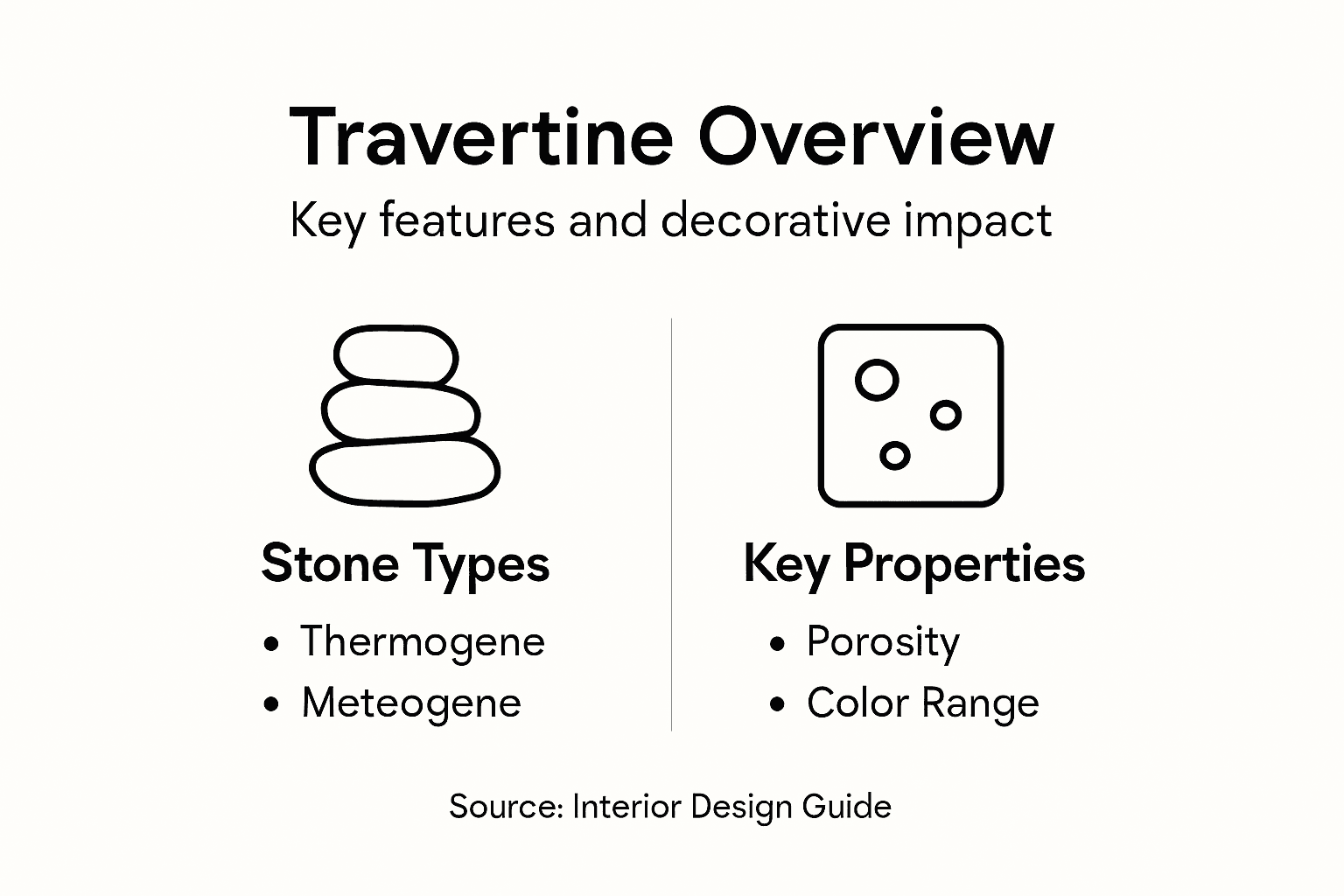
The stone often displays fibrous or concentric patterns that create visual depth and movement. Surface finishes reveal porous structures with characteristic small holes and voids, adding organic texture that polished marble cannot replicate.
Travertine’s porosity ranges from 10% to 70%, depending on formation conditions and specific quarry location. Lower porosity creates denser, more durable pieces suitable for high-traffic areas. Higher porosity produces lighter-weight pieces with more pronounced textural interest for decorative applications.
This variation means each travertine piece behaves differently—some require sealing for bathroom use, while decorative pieces like lamps and tabletops showcase the natural porous beauty without concern.
Travertine’s unique geological formation process creates a stone that genuinely improves with age, developing character and patina that adds to rather than detracts from its luxury appeal.
Understanding travertine’s formation helps explain why the stone commands premium prices and why discerning homeowners choose it for statement pieces. The various applications travertine offers reflect this material’s remarkable versatility and enduring elegance.
Pro tip: When selecting travertine pieces for your home, ask about the stone’s porosity level and origin—Mediterranean and Turkish travertines often display the most dramatic color variations and patterns that create sophisticated focal points in luxury interiors.
Travertine isn’t one-size-fits-all. The stone comes in distinct varieties, each with unique characteristics that affect both aesthetics and performance in your luxury interior. Understanding these types helps you select the perfect piece for your specific design vision.
Thermogene travertine forms from hot springs and geothermal sources, where elevated temperatures and thermal carbon dioxide drive rapid mineral precipitation. This type typically displays denser, more banded structures with dramatic color shifts and distinct layering patterns.
Meteogene travertine develops from ambient-temperature water sources like springs, rivers, and lakes, where atmospheric and soil carbon dioxide fuel the formation process. These varieties often showcase more porous structures and lighter, more uniform coloration.
The temperature and source of mineral-rich water fundamentally shape the stone’s final appearance and density characteristics.
Here is a concise comparison of the geological formation and visual properties of major travertine types:
| Travertine Type | Formation Source | Typical Density | Color and Pattern Highlights |
|---|---|---|---|
| Thermogene | Hot springs, geothermal | High, dense bands | Distinct color shifts, strong bands |
| Meteogene | Rivers, lakes, springs | More porous, lighter | Lighter tones, uniform textures |
This table helps clarify which travertine type may best fit your design vision.
Travertine’s physical form depends on how and where it deposits:
Each formation type reveals different geological stories through its structure and appearance.
Travertine varieties range from dense and banded to highly porous with cellular structures. Dense banded travertine suits high-traffic surfaces, while porous types work beautifully for decorative applications like tabletops and decorative accents.
Biological influences create stunning visual effects. Stromatolitic textures and moss mats leave imprints throughout the stone’s formation, producing organic patterns and depth that cannot be artificially replicated.
Colorwise, the spectrum spans white and cream through tan, beige, and rusty tones. Fibrous and concentric formations create movement within the stone itself.
The diversity of travertine types means luxury designers can source pieces that range from subtle and understated to bold and visually dramatic, all from the same material family.
When exploring travertine applications for your home, knowing these type distinctions helps match the stone’s natural properties to your intended use. A porous decorative lamp piece behaves entirely differently from a dense banded tabletop.
Pro tip: Request samples of travertine pieces you’re considering and examine them under different lighting conditions—the biological patterns and color variations that make each type unique become far more apparent in natural versus artificial light.
Travertine’s appeal lies in its distinctive natural characteristics. This sedimentary rock made predominantly of calcium carbonate offers luxury homeowners a stone that’s genuinely unique—no two pieces are identical. Understanding what makes travertine special helps you appreciate why it commands premium placement in sophisticated interiors.
Travertine is calcium carbonate precipitated from freshwater mineral springs, rivers, and lakes. This chemical origin distinguishes it from other limestones and gives it remarkable geological authenticity. Every piece carries the signature of its specific water source and formation conditions.
The stone’s composition creates its characteristic appearance and behavior. As mineral-rich water loses carbon dioxide naturally, calcium carbonate crystallizes into solid form layer by layer.
Travertine displays an impressive range of textural finishes that appeal to design-forward homeowners:
These textures emerge naturally from the stone’s formation process and cannot be replicated synthetically. Each finish tells a geological story.
Travertine’s porosity varies dramatically from 10% to 70% depending on formation conditions and age. This single factor profoundly impacts how the stone performs and where it works best in your home.
Fresh travertine typically exhibits higher porosity, creating that distinctive holey appearance many designers prize for decorative pieces. Ancient travertine often shows lower porosity due to secondary calcite crystallization that fills voids over millennia.
Lower porosity travertine suits bathroom countertops and kitchen surfaces. Higher porosity pieces shine as sculptural lamps, decorative tabletops, and accent features where their organic texture becomes the focal point.
Travertine’s variable porosity isn’t a drawback—it’s a feature that allows designers to select stones precisely matched to their intended application and aesthetic vision.
The stone’s coloration ranges from crisp whites and soft creams through warm tans, beiges, and rich rusty tones. This natural spectrum means travertine coordinates beautifully with virtually any color scheme in luxury interiors.
Color variations within single pieces create visual depth and movement. Mineral content and formation temperature influence these hues, making geographical origin significant for designers seeking specific aesthetic effects.
Pro tip: When selecting travertine pieces, examine them in both north-facing (cool) and south-facing (warm) natural light—the perceived color shifts surprisingly, helping you confirm the piece works with your existing palette.
Travertine has become the material of choice for luxury homeowners seeking to add warmth, character, and sophistication to their spaces. Its versatility spans from statement floors to sculptural accents, making it ideal for creating interiors that feel both timeless and distinctly personal.
Travertine flooring creates an immediate sense of luxury underfoot. The stone’s natural warmth and earthy tones work beautifully in entryways, living rooms, and master bathrooms. Its moderate hardness and distinctive texture make every step visually interesting.
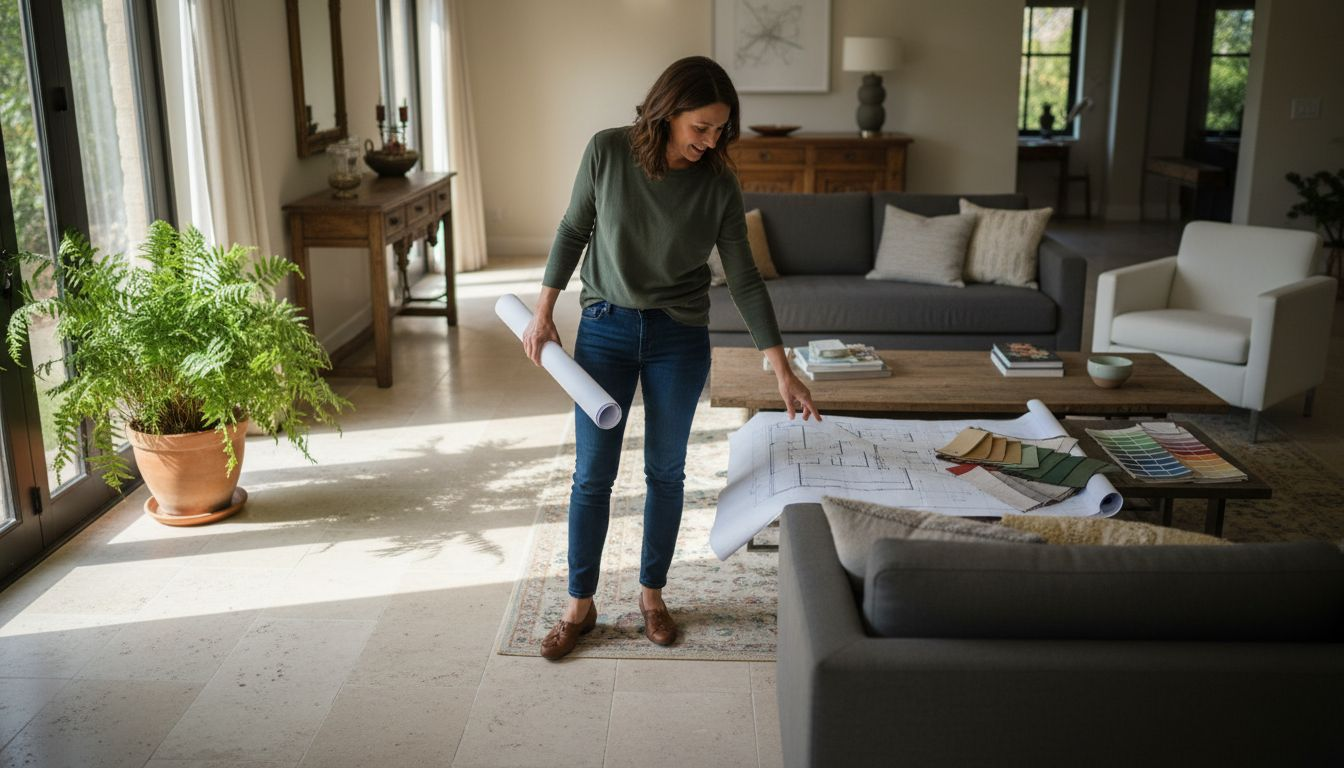
Wall cladding transforms ordinary spaces into galleries of natural beauty. Travertine accent walls become focal points in dining rooms, home offices, and bedroom retreats. The stone’s depth and layered appearance create sophistication without demanding constant attention.
Travertine countertops bring restaurant-quality elegance to kitchens and bathrooms. Travertine’s soft earth tones complement virtually any cabinetry or backsplash choice. The stone’s natural variation means your countertop becomes a unique work of art.
Bathroom vanity tops benefit from travertine’s luxurious appearance and tactile warmth. Unlike cold granite, travertine invites touch and adds personality to morning and evening routines.
This is where travertine truly shines for design-forward homeowners:
These pieces leverage travertine’s ease of carving for intricate details and custom designs. A single travertine accent piece can anchor an entire room’s design narrative.
Moldings and trim crafted from travertine elevate baseboards, crown molding, and door frames from functional to beautiful. The stone’s workability allows artisans to create custom profiles matching your aesthetic vision.
Travertine archways, columns, and decorative niches reference classical design while fitting seamlessly into contemporary interiors. These details whisper sophistication rather than shout it.
Travertine’s cultural significance and timeless appeal mean pieces selected today will remain relevant and beautiful for decades, becoming increasingly valuable as design classics.
When planning various travertine applications throughout your home, balance statement pieces with understated accents for cohesive, layered design.
Pro tip: Start with one statement travertine piece—perhaps a sculptural lamp or accent table—before committing to larger installations; this lets you experience how the stone interacts with your lighting, existing furnishings, and personal style.
When selecting natural stone for luxury interiors, the choice between travertine, marble, and alternatives significantly impacts both aesthetics and long-term performance. Understanding how these materials differ helps you make decisions aligned with your design vision and maintenance comfort.
Both travertine and marble are calcium carbonate stones, yet their origins and characteristics differ fundamentally. Travertine forms through precipitation from mineral-rich groundwater at springs, while marble results from limestone recrystallization under intense pressure and heat deep within the Earth.
This geological difference creates distinct visual and physical properties. Marble develops a denser, more uniform crystalline structure that accepts higher polish and delivers mirror-like finishes. Travertine retains its porous bands and open voids, producing that signature rustic texture luxury designers covet.
Key differences between these materials:
Marble’s greater density and abrasion resistance make it better for countertops and flooring in busy kitchens. Travertine shines as statement pieces, bathroom accents, and decorative features where its textural beauty becomes the design focal point.
Both stones share vulnerability to acid etching from citrus, wine, and vinegar. Neither should be sealed once and forgotten—both require periodic resealing to prevent moisture and stain penetration.
Travertine’s porosity demands more diligent maintenance than marble’s denser surface. Spills require immediate attention to prevent permanent staining. This higher maintenance profile actually appeals to homeowners who view stone care as part of owning something genuinely special.
Dolomitic limestone offers greater density and abrasion resistance, positioning itself between travertine and marble in performance. Granite and engineered quartz provide superior durability but lack the warm, organic aesthetic that draws homeowners to travertine.
Alternatives like engineered stone deliver consistency and lower maintenance, yet they cannot replicate travertine’s geological authenticity or the prestige of owning genuinely natural material formed over millennia.
Compare key interior stone options to quickly see practical and aesthetic differences:
| Stone Type | Appearance | Maintenance Needs | Best Interior Uses |
|---|---|---|---|
| Travertine | Warm, textured bands | Frequent sealing | Accent walls, vanities |
| Marble | Smooth, polished | Regular sealing | Kitchen counters, floors |
| Dolomitic Limestone | Subtle, neutral | Moderate upkeep | Stairs, moderate-traffic areas |
| Engineered Quartz | Consistent, uniform | Minimal care | High-traffic, busy kitchens |
This overview helps homeowners choose the stone that fits both style and lifestyle.
Travertine’s lower durability compared to marble isn’t a weakness—it’s the trade-off for acquiring stone with character, warmth, and the distinctive appeal that elevates interiors from merely beautiful to genuinely memorable.
When planning specific travertine applications in your home, match the material’s strengths to your intended use rather than forcing it into inappropriate roles.
Pro tip: If marble’s polished look appeals to you but you prefer travertine’s warmth, consider honed or brushed marble finishes that soften its formality while retaining superior durability for high-use surfaces.
Travertine’s unique formation and distinctive porous texture offer a timeless charm that transforms any interior from ordinary to extraordinary. If you seek to add warmth, character, and natural sophistication to your home or commercial space you understand the challenge of finding luxury decor that combines geological authenticity with artistic craftsmanship. At Marmorique we specialize in premium, natural travertine pieces crafted to showcase these very qualities so you can experience the rich visual depth and organic beauty described in the article.
Discover how our curated collection of travertine lamps, tables, bathroom sets and more embrace the stone’s natural color palette and porous charm with expert sealing and finishes that balance aesthetics with durability.
Explore our exclusive range at Marmorique and bring the geological story of travertine into your interior design today. Elevate your ambience with authentic travertine found here and enjoy firsthand the warmth and luxury that only natural stone can provide. Begin your journey now by visiting our main site and learning more about decorative uses of travertine that fit your unique style.
Travertine is a natural limestone deposit that forms near mineral springs and hot springs as mineral-rich water loses carbon dioxide, precipitating calcium carbonate which builds up into solid stone.
Travertine features a warm color palette, often found in whites, creams, tans, rusty hues, and multi-toned blends. Its fibrous or concentric patterns create visual depth, while its porous structure adds organic texture.
Travertine’s porosity ranges from 10% to 70%, impacting its durability and suitability for different applications. Lower porosity pieces are more durable for high-traffic areas, while higher porosity pieces are ideal for decorative uses.
Travertine is popular for flooring, wall cladding, countertops, decorative accents, and architectural details like moldings. Its versatility allows it to add warmth and sophistication to various spaces.


