Your Cart (0)
Your cart is empty
Free express shipping

Drawer menu
Free express shipping

Choosing marble for luxury interiors in 2026 means navigating durability, aesthetics, finish options, sustainability, and cost. With countless varieties and finishes available, interior designers and homeowners face a complex decision that impacts both immediate style and long-term performance. This guide delivers a data-backed framework to confidently select the right marble variety and finish for your specific interior needs.
| Point | Details |
|---|---|
| Top marbles vary in veining, durability, rarity, and price | Carrara offers versatility and moderate cost, while Calacatta and Statuario command premium prices for bold statement designs. |
| Finish choice affects maintenance and tactile experience | Polished surfaces demand frequent sealing, whereas honed and leathered finishes provide easier upkeep and slip resistance. |
| Sustainability and sourcing increasingly vital in luxury selection | Reclaimed marble use rose 25% in luxury projects, driven by eco-conscious buyers valuing reduced waste and unique patina. |
| Match marble type and finish to room function for best results | High-traffic areas need durable, quartz-rich marbles, while bathrooms benefit from softer varieties with calming veining. |
| Budget and style tradeoffs are crucial for lasting satisfaction | Balancing aesthetic appeal with performance and maintenance needs ensures your marble investment delivers enduring value. |
Selecting marble for luxury interiors requires evaluating five critical factors that determine both immediate visual impact and long-term satisfaction. Each criterion influences how your marble performs, looks, and ages in its intended space.
Durability and abrasion resistance are critical for longevity especially in high-traffic or moisture-prone areas. Softer marbles scratch and stain more easily than dense, quartz-rich varieties. Understanding hardness ratings helps you avoid premature wear in flooring or countertops.
Aesthetic factors like color, veining, and unique patterns drive style integration. Subtle grey veining suits minimalist schemes, while bold gold streaks create dramatic focal points. Natural variation means no two slabs match perfectly, so inspect actual material before committing.
Finish types transform both appearance and maintenance demands. Polished surfaces deliver high gloss and vivid color depth but show every fingerprint and require frequent sealing. Honed finishes offer matte elegance with reduced glare, ideal for floors. Leathered textures add tactile richness and hide minor imperfections better than smooth finishes.
Sustainability and source authenticity matter increasingly to luxury buyers in 2026. Reclaimed marble reduces quarry waste while adding historical character. Transparent sourcing verifies ethical extraction and supports artisan communities. Natural marble’s durability also means fewer replacements over decades, lowering environmental impact compared to synthetic alternatives.
Price and value longevity balance budget with design investment. Rare marbles like Calacatta cost significantly more than Carrara, but their visual impact may justify the premium for statement spaces. Consider total lifetime cost including installation, sealing, and maintenance when comparing options.
Pro Tip: Request samples of your shortlisted marbles in different lighting conditions. Natural and artificial light dramatically alter how veining and color appear throughout the day.
Five marble varieties dominate luxury interior projects in 2026, each offering distinct visual character, rarity levels, and performance profiles. Understanding their unique traits helps you align aesthetic vision with practical requirements.
Carrara marble is the most popular white marble for interior use in 2026 due to its subtle grey veining and versatility across applications like bathrooms and living spaces. Quarried in Tuscany, Italy, Carrara provides elegant simplicity at moderate cost. Its soft grey patterns complement both traditional and contemporary designs without overwhelming other elements.
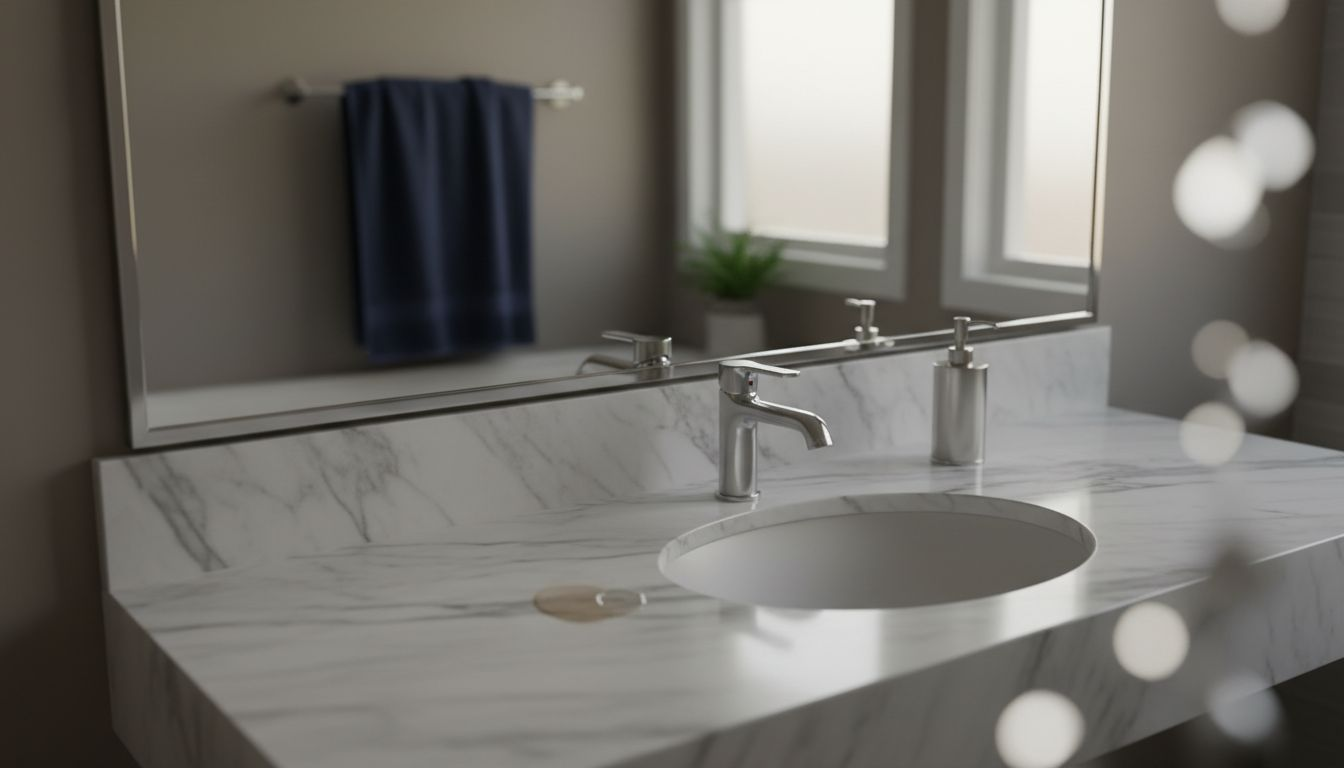
Calacatta marble features bold gold and grey veining on bright white backgrounds. Much rarer than Carrara, Calacatta commands premium prices but delivers unmatched visual drama. Single slabs often become statement pieces in powder rooms, kitchen islands, or accent walls where their distinctive veining takes center stage.
Statuario marble offers large-format slabs with dramatic, sweeping veins ideal for grand luxury floors and feature walls. Its rarity and striking appearance make it one of the most expensive options. Statuario works best in spacious areas where its bold patterns have room to breathe without visual clutter.
Nero Marquina marble brings deep black tones with crisp white veining, creating high-contrast drama. Popular for accent walls, fireplace surrounds, and bathroom vanities, this Spanish marble adds sophisticated edge to modern interiors. Its dark surface requires careful lighting to prevent spaces from feeling enclosed.
Warm marbles like Crema Marfil trend strongly in 2026 for minimalist luxury interiors seeking cozy, neutral palettes. These beige and cream varieties deliver subtle elegance without the starkness of white marbles. They pair beautifully with natural wood and warm metals in biophilic design schemes.
| Marble Type | Veining Pattern | Typical Price Range | Best Applications |
|---|---|---|---|
| Carrara | Subtle grey | Moderate | Bathrooms, floors, walls |
| Calacatta | Bold gold/grey | Premium | Statement walls, islands |
| Statuario | Dramatic sweeping | Luxury | Grand floors, features |
| Nero Marquina | White on black | High | Accents, fireplaces |
| Crema Marfil | Minimal beige | Moderate | Minimalist spaces |
Pro Tip: When selecting Calacatta or Statuario, visit the slab yard to choose your exact piece. Veining patterns vary dramatically between slabs, and picking in person ensures you get the visual impact you want.
Surface finish transforms how marble looks, feels, and performs in your interior. The three primary finishes offer distinct advantages for different applications and maintenance tolerance levels.
Polished finish delivers high-gloss shine that intensifies color depth and veining contrast. This classic treatment suits formal spaces where visual impact matters most. However, polished marble shows every fingerprint, water spot, and scratch. You’ll need to seal it regularly and clean spills immediately to maintain its pristine appearance.
Honed finish creates a matte, satiny surface with reduced glare and a softer visual presence. It hides minor scratches and etching better than polished marble, making it practical for high-use floors and countertops. Honed surfaces still require sealing but forgive daily wear more gracefully. This finish has gained popularity in 2026 for its understated elegance.
Leathered finish adds subtle texture through specialized brushing that creates a slightly tactile surface. This finish brings warmth and visual interest while hiding imperfections and water spots effectively. Growing in luxury interiors, leathered marble appeals to homeowners seeking unique sensory experiences. The texture catches light beautifully, adding depth to even simple veining patterns.
Matte and textured surfaces align with 2026 trends toward warm neutrals and biophilic interiors. These finishes feel more organic and less formal than high-gloss treatments. They integrate seamlessly with natural materials like wood and linen, supporting the layered, tactile aesthetic dominating current luxury design.
Finish choice impacts cleaning frequency, slip resistance, and overall ambiance. Polished floors can be slippery when wet, while honed and leathered surfaces provide better traction in bathrooms. Consider who uses the space and how much maintenance effort you’re willing to invest.
Pro Tip: Test finish samples underfoot or underhand before committing. The tactile difference between finishes significantly affects how spaces feel, especially in bathrooms where you’ll touch surfaces daily.
Different marbles offer varying durability profiles that make them better suited for specific interior applications. Understanding these differences prevents costly mistakes and premature wear.
In high-traffic commercial interiors, dense and quartz-rich marbles like African-origin types show improved wear resistance compared to traditional softer marbles. These harder varieties withstand foot traffic, rolling luggage, and frequent cleaning without losing their finish. For residential applications with active families or pets, similar durability considerations apply.
Carrara marble counters with 3cm thickness and soft grey veining create a calming bathroom atmosphere favored in upscale guest baths. Standard slab thickness provides adequate durability for moderate-use areas. However, kitchen islands and primary bathroom vanities benefit from thicker slabs or edge reinforcement.
Resistance to staining and scratching varies notably between marble types. Lighter marbles show stains more readily than darker varieties, while softer marbles scratch more easily than quartz-rich options. Acidic substances like lemon juice or wine etch all marble surfaces, requiring immediate cleanup regardless of variety.
Thickness and slab size influence both durability and installation outcomes. Thicker slabs resist cracking during installation and provide better long-term stability. Large-format slabs minimize seams but require specialized handling and structural support. Consider installation logistics and substrate strength when selecting slab dimensions.
Matching marble durability to room use prevents premature wear and disappointment. Powder rooms and bedroom accent walls tolerate softer marbles beautifully. Kitchen floors and entryways demand harder varieties with proven abrasion resistance. Review marble selection for bathrooms for room-specific guidance.
| Application | Recommended Marble | Ideal Finish | Thickness |
|---|---|---|---|
| High-traffic floors | Quartz-rich varieties | Honed | 3cm+ |
| Kitchen islands | Carrara, dense marbles | Honed/Leathered | 3cm |
| Bathroom vanities | Carrara, Calacatta | Polished/Honed | 2-3cm |
| Accent walls | Any variety | Polished | 2cm |
| Fireplace surrounds | Heat-resistant types | Any | 2-3cm |
Environmental considerations increasingly shape marble purchasing decisions in luxury interiors as designers and homeowners prioritize responsible sourcing and waste reduction.
Sustainability is a key driver for marble selection, with reclaimed marble reducing quarry waste and adding historical patina valued in high-end interior renovations. Salvaged marble from demolished buildings offers unique character impossible to replicate in new material. Each piece carries decades or centuries of history, appealing to buyers seeking authentic, storied elements.
Sustainably sourced marble aligns with eco-conscious luxury consumer values. Verified quarries implement responsible extraction practices, minimize environmental disruption, and support local communities. Certifications and supply chain transparency help buyers confirm ethical sourcing. Many luxury clients now request quarry documentation as standard practice.
Durability of natural marble reduces replacement frequency, supporting sustainability goals. Unlike synthetic alternatives that degrade within decades, properly maintained marble lasts centuries. This longevity means fewer resources consumed over a building’s lifetime. Ancient Roman marble floors still function today, demonstrating the material’s exceptional lifespan.
Procurement transparency is increasingly demanded by designers and buyers who want to understand exactly where and how their marble was extracted. Digital tracking technologies now allow some suppliers to trace individual slabs from quarry to installation. This visibility builds trust and supports informed purchasing decisions.
“Choosing reclaimed marble isn’t just about sustainability. It’s about owning a piece of architectural history that adds depth and authenticity impossible to achieve with new material. Each salvaged slab tells a story.”
Synthesizing the detailed information above, this section provides quick-reference comparisons and room-specific recommendations to guide your final marble selection.
| Marble Type | Price Tier | Durability | Visual Impact | Best For |
|---|---|---|---|---|
| Carrara | Moderate | Medium | Subtle elegance | Versatile use, bathrooms |
| Calacatta | Premium | Medium | Bold drama | Statement features |
| Statuario | Luxury | Medium-High | Grand luxury | Large floors, walls |
| Nero Marquina | High | High | High contrast | Accents, modern spaces |
| Crema Marfil | Moderate | Medium | Warm neutral | Minimalist interiors |
For flooring in high-traffic areas, prioritize dense, quartz-rich marbles with honed or leathered finishes. These combinations deliver durability and slip resistance while maintaining visual appeal. Avoid soft, highly veined varieties that show wear quickly underfoot.
Wall applications offer more flexibility since vertical surfaces experience less wear. Here, you can use more delicate marbles and polished finishes without durability concerns. Dramatic varieties like Calacatta shine in accent walls where their veining creates focal points.
Vanities and countertops require balance between aesthetics and practicality. Honed Carrara provides timeless elegance with manageable maintenance for bathroom vanities. Kitchen counters benefit from leathered finishes on harder marbles that hide etching from acidic foods.
Accent features like fireplace surrounds, shelving, or decorative insets allow you to use premium marbles economically. Small applications keep costs reasonable while delivering maximum visual impact. These strategic placements let you incorporate luxury materials without budget overruns.
Consider sustainability in your final selection by exploring reclaimed options or verified sustainable sources. The environmental choice often brings added character and story that enhances rather than compromises design intent.
Pro Tip: Create a decision matrix scoring your shortlisted marbles on aesthetics, durability, maintenance, sustainability, and budget. This structured approach clarifies tradeoffs and helps you choose confidently.
After understanding marble selection criteria, varieties, finishes, and applications, the next step is finding quality material and professional support to bring your vision to life. Sourcing artisanal marble requires expertise in both material quality and design integration.
Marmorique offers curated collections of premium natural marble and stone products crafted for luxury interiors. Our selection includes marble decor items, furnishings, and accessories that showcase the timeless beauty of natural stone. Each piece reflects craftsmanship and attention to detail that elevates interior aesthetics.
Expert guidance helps you navigate the complexities of marble selection, ensuring your choices align with both design goals and practical requirements. From understanding veining patterns to coordinating finishes across multiple applications, professional consultation maximizes your investment’s impact and longevity.
Explore our premium marble collections to discover artisanal options aligned with 2026 trends. Whether you’re selecting statement pieces or comprehensive material packages, we provide the quality and support needed for confident decisions. Our team understands how marble transforms interiors and can help you achieve the sophisticated, lasting results you envision.
Carrara marble is the most versatile due to subtle grey veining, moderate price, and adaptability for floors, walls, and vanities. Its neutral palette complements diverse design styles from traditional to contemporary. Carrara performs well in most residential applications without extreme cost or maintenance demands.
Polished marble requires frequent sealing and careful cleaning to maintain gloss and prevent etching from acids. Honed and leathered finishes hide minor imperfections better and need less intensive upkeep. These matte surfaces also provide superior slip resistance in wet areas, making them safer and more practical for bathrooms and kitchens.
Yes, reclaimed marble use increased 25% in luxury projects in 2025-2026 due to its sustainability and unique patina. Salvaged marble offers eco-friendly appeal and adds distinctive aged character impossible to replicate. It’s preferred in high-end renovations valuing authenticity, environmental responsibility, and historical connection.
Honed or leathered finishes work best for bathroom floors because they provide slip resistance when wet. These matte surfaces hide water spots and soap residue better than polished marble. The subtle texture adds tactile interest while maintaining the elegance marble brings to luxury bathrooms.
Thicker slabs resist cracking during installation and provide better long-term structural stability. Standard 2cm thickness suits walls and low-stress applications, while 3cm works better for counters and floors. High-traffic areas and large-format installations benefit from increased thickness to prevent damage and ensure longevity.


