Your Cart (0)
Your cart is empty
Free express shipping

Drawer menu
Free express shipping

Natural stone decor has defined interior luxury for centuries, from ancient palaces to contemporary high-end homes. Marble and travertine pieces offer unmatched visual appeal through their unique mineral patterns and natural variations that synthetic materials cannot replicate. Today’s homeowners and designers increasingly prioritize authentic craftsmanship and materials that deliver both immediate aesthetic impact and long-term value, making natural stone a compelling choice for those seeking to elevate their interiors with timeless elegance.
| Point | Details |
|---|---|
| Unmatched aesthetic appeal | Natural stone provides unique patterns and tactile luxury that synthetic materials cannot duplicate. |
| Superior durability | Properly maintained marble and travertine can last 50 to 100+ years, far exceeding synthetic alternatives. |
| Artisanal value | Handcrafted stone decor commands premium pricing and adds exclusivity to interiors. |
| Property value boost | Natural stone installations can increase home resale value by 3 to 11 percent. |
| Maintenance realities | Sealing requirements are manageable, typically every 1 to 2 years for marble surfaces. |
Natural stone decor encompasses interior furnishings and decorative elements crafted from geological materials like marble and travertine. These stones form over millions of years through heat, pressure, and mineral deposition, creating distinctive patterns and colors that make each piece genuinely one of a kind. The inherent beauty and rarity of natural stone have made it a symbol of wealth and sophistication since ancient civilizations built temples and palaces from these materials.
Historically, marble adorned the homes of Roman aristocrats and Renaissance nobility, while travertine graced the Colosseum and St. Peter’s Basilica. This legacy continues today as natural stone decor luxury interiors remain the standard for high-end residential and commercial spaces. Modern luxury trends emphasize artisanal craftsmanship and authentic materials over mass-produced alternatives, driving renewed interest in handcrafted stone pieces.
Key characteristics that define natural stone decor include:
The growing demand for sustainable, durable materials has positioned natural stone as both a practical and aesthetic investment for discerning homeowners and interior designers seeking to create spaces that endure beyond fleeting trends.
The visual and tactile qualities of natural stone create an immediate sensory impact that distinguishes luxury interiors. Each slab contains unique veining patterns, mineral deposits, and color variations formed by geological processes spanning millions of years. This inherent unpredictability means that marble and travertine pieces possess a visual signature that cannot be mass-produced or perfectly replicated, offering true exclusivity.
Beyond appearance, the tactile experience of natural stone significantly influences how people perceive and interact with their environment. The cool, smooth surface of polished marble or the textured feel of honed travertine engages touch in ways that plastic, resin, or composite materials cannot match. Research shows that homeowners and designers report up to 65% higher satisfaction with natural stone decor due to its tactile quality and perceived luxury compared to synthetic decor.
Psychological research reveals that natural stone decor luxury interiors trigger associations with permanence, authenticity, and status. The weight and substance of stone pieces communicate quality at a subconscious level, creating emotional responses that synthetic alternatives struggle to evoke. This psychological dimension explains why natural stone consistently commands premium pricing and remains a preferred choice for spaces where first impressions matter.
Distinctive aesthetic advantages include:
The inherent beauty of natural stone lies not in uniformity but in the subtle imperfections and variations that tell the story of geological time.
These qualities combine to create interiors that feel rooted in authenticity rather than manufactured perfection, appealing to clients who value materials with genuine history and substance.
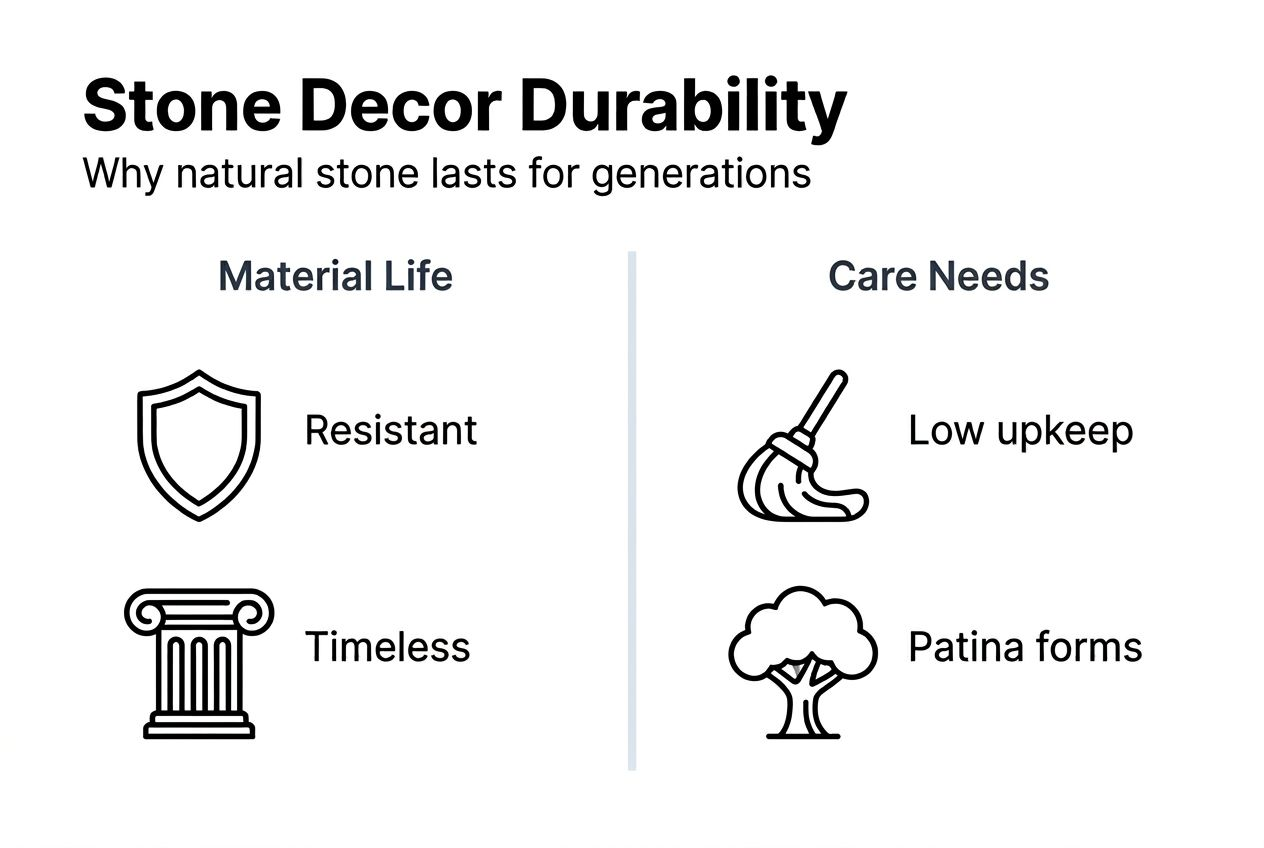
Natural stone’s reputation for durability is well-earned, with properly maintained marble and travertine installations lasting 50 to 100+ years or more. This longevity dramatically exceeds synthetic alternatives like engineered stone, laminate, or composite materials, which typically require replacement within 10 to 25 years. The superior lifespan translates directly into cost-effectiveness over time, as the initial investment amortizes across decades rather than years.
Maintenance requirements for natural stone are often exaggerated. Sealing marble surfaces typically occurs every 1 to 2 years with normal indoor use, a straightforward process that homeowners can complete themselves or hire professionals to handle. Travertine, being more porous, may require slightly more frequent attention depending on exposure and use patterns. However, these maintenance intervals are manageable and far less demanding than the repairs or replacements synthetic materials often need.
Natural stone’s thermal mass provides practical benefits beyond aesthetics. Stone absorbs and slowly releases heat, helping to moderate interior temperatures and creating a more comfortable environment. This property also contributes to energy efficiency, as spaces with substantial stone elements tend to maintain stable temperatures more effectively than those dominated by synthetic materials.
Common misconceptions about natural stone fragility deserve correction:
Pro Tip: Choose honed or textured finishes for high-traffic areas instead of polished surfaces. These finishes hide minor wear better while reducing maintenance anxiety and preserving the stone’s natural beauty without constant vigilance.
The combination of exceptional longevity, manageable maintenance, and functional benefits like thermal mass positions natural stone as a practical luxury investment rather than a purely aesthetic indulgence.
The transformation of raw stone into refined decor pieces requires skilled craftsmanship that distinguishes artisanal products from mass-produced alternatives. Handcrafted stone items involve precise cutting, shaping, polishing, and finishing techniques passed down through generations of artisans. This human touch introduces subtle variations and attention to detail that automated processes cannot replicate, adding layers of value beyond the raw material itself.
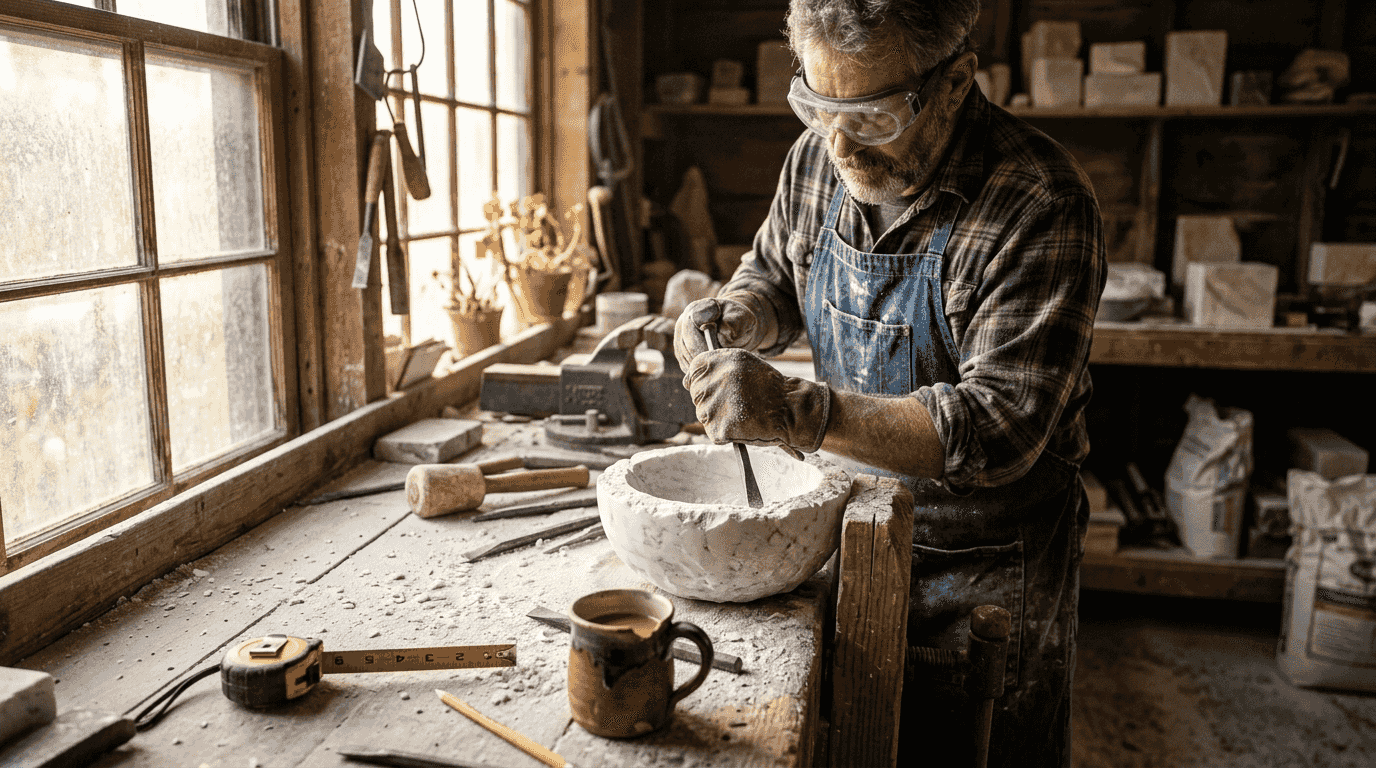
Artisanal techniques elevate natural stone decor through several methods. Master craftspeople select stone blocks based on veining patterns and color distribution, ensuring each piece showcases the material’s best qualities. Hand-finishing processes create surfaces with depth and character that machine-polished items lack. Custom details like beveled edges, carved accents, or inlaid patterns transform functional objects into artistic statements.
The economic implications of craftsmanship are significant. Handcrafted stone decor commands premium pricing, reflecting the time, skill, and artistic vision invested in each piece. This pricing structure creates exclusivity while acknowledging the tangible value that artisanal quality delivers. Collectors and design-conscious buyers increasingly seek out limited-production pieces that offer distinctiveness unavailable in mass-market products.
Distinguishing markers of genuine artisan quality include:
Pro Tip: Examine edges and underside finishes when evaluating stone decor pieces. Artisans typically finish all surfaces with care, while mass-produced items often show rough or neglected areas not visible during casual display.
The resurgence of interest in handcrafted goods has reinforced natural stone’s position as a premium decor category. Buyers recognize that artisanal pieces represent not just material investment but also support for traditional crafts and the preservation of specialized skills that define luxury production.
Marble and travertine, while both limestone-based stones, exhibit distinct characteristics that influence their suitability for various interior applications. Understanding these differences helps homeowners and designers make informed material selections aligned with functional needs and aesthetic goals. Marble and travertine differ notably in porosity and hardness, affecting their suitability for specific decor uses and maintenance needs.
| Property | Marble | Travertine |
|---|---|---|
| Porosity | Low to moderate | Moderate to high |
| Hardness | 3-5 on Mohs scale | 3-4 on Mohs scale |
| Sealing frequency | Every 1-2 years | Every 6-12 months |
| Best applications | High-traffic surfaces, wet areas | Decorative accents, focal pieces |
| Visual character | Dramatic veining, varied colors | Earthy tones, pitted texture |
Marble’s lower porosity and slightly greater hardness make it preferable for surfaces exposed to moisture or heavy use, such as bathroom vanities, tabletops, and lamp bases. Its polished finish resists staining better than more porous stones when properly sealed. The wide color range from pure white Carrara to deep green serpentine provides versatility for diverse design schemes.
Travertine’s higher porosity requires more frequent sealing but offers distinct aesthetic advantages. The natural pitting and textured surface create visual warmth and tactile interest that complement rustic, Mediterranean, or transitional design styles. Travertine interior design luxury applications often focus on decorative objects, accent pieces, and areas where the stone’s organic character enhances rather than complicates maintenance.
Practical application guidelines include:
Both materials develop patina over time, a characteristic that enhances rather than diminishes their appeal. This aging process distinguishes natural stone from synthetic alternatives that typically deteriorate rather than mature gracefully. Understanding material properties ensures that stone selections deliver both immediate aesthetic satisfaction and long-term functional performance.
Investing in natural stone decor delivers financial returns alongside aesthetic benefits. Properties featuring quality stone elements can see resale value increases of 3 to 11 percent compared to similar homes with standard finishes. This premium reflects buyer preferences for durable, luxury materials that signal quality construction and design sophistication. Real estate professionals consistently note that natural stone installations create positive first impressions that influence purchasing decisions.
The longevity of natural stone contributes to cost-effectiveness by eliminating replacement cycles that affect synthetic materials. While initial investment may exceed alternatives, the absence of 10 to 15 year replacement costs fundamentally alters the lifetime expense calculation. A marble bathroom set purchased today will likely outlast the home’s current owners, potentially serving three or four generations with proper care.
Market demand for natural stone remains robust across economic cycles. Cultural associations with luxury and prestige create enduring appeal that transcends temporary design trends. This sustained demand supports resale value for quality pieces and maintains pricing stability in the secondary market. Antique and vintage stone items often command prices exceeding their original cost, demonstrating investment potential beyond basic utility.
Economic advantages include:
The combination of functional longevity, property value contribution, and sustained market appeal positions natural stone decor as a financially sound choice for homeowners prioritizing long-term value. These economic benefits complement the aesthetic satisfaction that initially attracts buyers to natural stone, creating a complete value proposition that synthetic alternatives struggle to match.
Successfully incorporating natural stone decor requires thoughtful planning that balances aesthetic vision with practical considerations. Following a systematic approach ensures material selections align with functional needs while maximizing visual impact.
Maintenance best practices extend natural stone’s lifespan while preserving its appearance. Use pH-neutral cleaners specifically formulated for stone rather than acidic or abrasive products that damage surfaces. Address spills promptly to prevent staining, particularly with substances like wine, coffee, or citrus juice. Reseal surfaces according to manufacturer recommendations, typically every 1 to 2 years for marble and more frequently for travertine.
Design strategies that leverage stone’s unique qualities include using large pieces as focal points, mixing stone types for textural contrast, and pairing stone with complementary materials like wood or metal. Consider scale carefully, as substantial stone pieces anchor spaces and create visual weight that influences room balance. Natural stone decor luxury interiors often succeed by treating stone elements as sculptural objects rather than mere functional items.
Pro Tip: Coordinate stone selections with lighting temperature to optimize color presentation. Warm lighting enhances honey and cream tones in travertine, while cooler lighting emphasizes the crisp veining in white marble, ensuring your stone pieces look their absolute best.
These practical considerations transform theoretical knowledge into actionable strategies that help homeowners and designers confidently integrate natural stone decor into their projects, achieving both aesthetic excellence and functional durability.
Elevate your living spaces with handcrafted natural stone pieces that embody timeless luxury and exceptional craftsmanship. Each item in our collection showcases the unique beauty of marble and travertine, transformed by skilled artisans into functional art that enhances your daily environment.
Discover the sophisticated simplicity of our artisan marble soap dish, where practical function meets sculptural elegance. For those seeking distinctive decorative accents, the marble grape cluster ornament demonstrates how natural stone brings organic beauty and substantial presence to any setting.
Explore our complete collection at Marmorique to find premium natural stone decor that transforms ordinary interiors into extraordinary spaces. Each piece represents an investment in lasting quality, artisanal tradition, and the unmatched elegance that only genuine natural stone can deliver.
Natural stone decor consists of materials like marble and travertine formed through geological processes involving heat, pressure, and mineral deposition over millions of years. Skilled artisans shape these raw materials into functional and decorative pieces that showcase the stone’s inherent beauty. Each item retains unique patterns and characteristics created by nature, ensuring genuine exclusivity.
Marble surfaces typically require resealing every 1 to 2 years under normal indoor conditions. Travertine needs more frequent attention, generally every 6 to 12 months, due to its higher porosity. Regular cleaning with pH-neutral products and prompt spill management extend the time between sealing while preserving appearance.
Natural stone is an inherently sustainable material with exceptional longevity that reduces replacement frequency compared to synthetic alternatives. However, sustainability depends significantly on quarrying practices and transportation distances. Responsible sourcing from well-managed quarries minimizes environmental impact while supporting traditional extraction communities.
Marble generally performs better in high-traffic and moisture-prone locations due to its lower porosity and slightly greater hardness compared to travertine. Its polished surface resists staining more effectively when properly sealed. Travertine excels in decorative applications and lower-exposure areas where its textured character adds visual warmth without maintenance complications.


